Why You’re Training Hard but Not Losing Fat
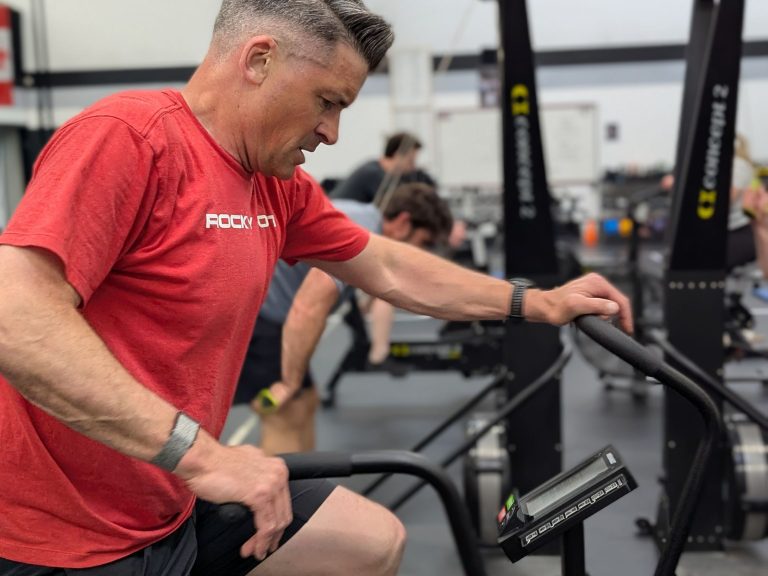
Few things are more frustrating than putting in consistent effort at the gym without seeing the results you expected. You show up for workouts, challenge yourself regularly, and make an effort to eat well, yet body fat doesn’t seem to be changing. The scale refuses to move, your clothes fit the same, and it can start to feel like all of your hard work is being wasted.
When fat loss stalls, many people assume they need to train harder, do more cardio, or eat even less. In reality, successful fat loss is rarely about simply working harder. More often, it comes down to understanding the factors that influence how your body responds to exercise, nutrition, recovery, and stress.
For many people, the issue isn’t a lack of effort. It’s a lack of strategy.
Fat Loss Is More Complex Than Calories Burned
The traditional advice for fat loss is to burn more calories than you consume. While a calorie deficit remains an important part of the process, the reality is more nuanced than a simple equation.
Your body is constantly adapting to the demands placed upon it. Multiple physiological pillars influence how efficiently your body uses energy:
- Sleep quality and circadian rhythm
- Chronic psychological and physical stress levels
- Muscular recovery and tissue repair
- Total lean muscle mass
- Daily nutritional habits and metabolic rate
Two people can follow similar workout programs and achieve very different results depending on what happens outside the gym. This is one reason why some individuals continue making progress while others experience a frustrating fat loss plateau despite training consistently.
You May Be Overestimating Calories Burned
Exercise is incredibly valuable for health, fitness, strength, and body composition. However, many people overestimate how many calories they burn during a workout.
A challenging one-hour workout may feel like it should produce rapid fat loss, but the body can often compensate for increased exercise in subtle ways. You might move less throughout the remainder of the day, experience greater hunger, or unconsciously consume more calories than you realize. This doesn’t mean exercise isn’t effective. It simply means that fat loss depends on more than what happens during a single workout.
Recovery Plays a Bigger Role Than Most People Realize
One of the most overlooked aspects of fat loss is recovery. Exercise creates stress that challenges the body to adapt. Those adaptations occur during recovery, not during the workout itself. When recovery is inadequate, progress can slow dramatically.
Insufficient recovery can negatively affect energy levels, workout performance, appetite regulation, and motivation. Over time, excessive training without adequate rest may leave the body feeling run down and make it harder to maintain the habits necessary for long-term fat loss.
Warning Signs of Inadequate Recovery: Persistent muscle soreness, declining workout performance, poor sleep quality, chronically low energy, and a distinct lack of enthusiasm for training.
Sometimes the most productive change isn’t adding another workout. It’s improving recovery habits.
Poor Sleep and Chronic Stress Can Undermine Your Progress
The Neurological Impact of Poor Sleep
Sleep is one of the most powerful yet underestimated factors affecting body composition. When sleep quality declines, the body experiences changes in hormones that regulate hunger and satiety. Many people notice increased cravings, reduced energy, and a greater desire for highly processed foods after a poor night’s sleep.
Lack of sleep can also reduce exercise performance and make it more difficult to stay consistent with healthy habits. For individuals serious about sustainable fat loss, prioritizing sleep should be considered just as important as training and nutrition.
The Hidden Burden of Stress
Physical stress and psychological stress affect the body in similar ways. Whether stress comes from work, family responsibilities, financial pressures, poor sleep, or excessive exercise, the body responds by allocating resources toward managing those demands.
When stress remains elevated for long periods, healthy habits often become more difficult to maintain. Food choices become less consistent, recovery suffers, sleep quality declines, and motivation may decrease. In some cases, chronic stress can also contribute to temporary water retention, making fat loss harder to recognize on the scale even when progress is occurring. This is one reason why individuals sometimes feel stuck despite doing many things correctly.
Your Nutrition Might Not Match Your Goals
Many people who struggle with fat loss genuinely believe they are eating well. The challenge is that eating healthy and eating appropriately for fat loss are not always the same thing.
Many commercially available “health foods” are secretly packed with hidden sugars, industrial seed oils, and high-fructose syrups to improve shelf life and flavor. Even a meticulously prepared salad or macro-bowl can quietly double in caloric density due to an overlooked drizzle of honey-mustard dressing or a heavy-handed scoop of nut butter, inadvertently erasing your fat loss efforts.
Portion sizes can gradually increase without being noticed, particularly during busy periods. Weekend habits can also play a major role. A modest calorie deficit accumulated throughout the week can disappear quickly through a few restaurant meals, alcoholic drinks, or high-calorie snacks.
This doesn’t mean perfection is required. Consistency over time remains far more important than occasional indulgences. However, understanding overall intake is often necessary when progress stalls.
Strength Training Matters More Than Endless Cardio
Many people respond to a fat loss plateau by adding more cardiovascular exercise. While cardio can be a useful tool, it is not always the most effective solution.
Strength training helps preserve and build lean muscle mass, which plays an important role in body composition. Muscle tissue requires energy to maintain and contributes to a stronger, healthier physique. Individuals who focus exclusively on cardio often overlook the long-term benefits of progressive resistance training.
A balanced approach that includes both strength training and cardiovascular exercise is often more effective than relying on either strategy alone.
Why Personalized Coaching Can Make a Difference
Fat loss is highly individual. The factors preventing progress for one person may be completely different from those affecting someone else. Recovery habits, stress levels, nutrition patterns, training history, lifestyle demands, and personal goals all influence outcomes.
A personalized coaching approach can help identify obstacles that are often difficult to recognize independently. Rather than relying on generic workout plans or conflicting advice found online, coaching provides a structured strategy tailored to your specific circumstances.
At Rocky Point Fitness in Coquitlam, coaching programs are designed to help individuals build sustainable habits, improve accountability, optimize training, and create realistic long-term progress rather than relying on short-term solutions.
The Bottom Line
If you’re training hard but not losing fat, the solution is rarely to simply work harder. Fat loss is influenced by a combination of training, nutrition, recovery, sleep, stress management, and overall lifestyle habits. When one of these areas is out of balance, progress can slow even when effort remains high.
The good news is that most fat loss plateaus have an explanation. By identifying the factors limiting progress and making targeted adjustments, meaningful results often become much more achievable. For those feeling stuck, a personalized approach can provide the clarity and direction needed to move past a plateau and build lasting results.