
Fat Loss Plateaus: What Most People Get Wrong
You have been working hard for weeks, consistently hitting your workouts at Rocky Point Fitness and keeping a close eye on your nutrition. Initially, the scale dropped steadily, and your clothes started fitting better. But over the last month, everything has ground to a complete halt. The scale refuses to budge, and your measurements are frozen.
You have hit a fat loss plateau.
Experiencing a stall in progress is one of the most frustrating parts of a body composition journey. When results slow down, most people immediately assume their metabolism is broken, or they panic and slash their calories even lower while adding hours of exhausting cardio to their week.
At Rocky Point Fitness in Coquitlam, we see clients make these classic mistakes constantly. A fat loss plateau is rarely a sign that your body is failing you. Instead, it is a predictable physiological response to weight changes. Understanding the true underlying causes of a progress stall allows you to adjust your training and lifestyle factors intelligently, helping you restart your results without burning out.
What Actually Causes a Fat Loss Plateau?
To fix a stall in progress, you have to look past the common myths and examine the actual biological causes. Your body is a survival machine, and its primary objective is homeostasis, which means keeping things exactly the same to conserve energy. When you reduce your body weight, several internal changes happen simultaneously:
1. Metabolic Adaptation and a Lower Baseline
As you lose tissue, your total body mass shrinks. A smaller body naturally requires less daily fuel to move, breathe, and pump blood. If you drop twenty pounds, your baseline resting metabolic rate drops alongside it because you are literally carrying around a lighter load. What used to be a caloric deficit for your old body might now simply be the maintenance calories for your new, smaller body.
2. The Drop in Subconscious Movement (NEAT)
When you are eating less food, your brain notices the drop in available energy and tries to protect you by reducing your Non Exercise Activity Thermogenesis (NEAT). This includes all the movement you do outside of your structured workouts, such as fidgeting, pacing while on the phone, taking the stairs, and maintaining your posture.
Without you ever realizing it, your brain dials down these daily movements to save fuel. You might be working out intensely for an hour at our Coquitlam gym, but if you spend the remaining twenty-three hours sitting completely still because your energy is low, your total daily calorie burn drops significantly.
3. The Natural Drift in Portion Sizes
When you first start a fat loss phase, it is normal to be highly focused on tracking meals and reading labels. Over time, human nature rightfully takes over. No one wants to live life chained to a digital food scale, so we naturally begin to eyeball our portions.
Over a few months, a tablespoon of peanut butter or a pour of cooking oil can easily drift into a slightly larger serving. This is not a failure of willpower or a lack of discipline; it is simply what happens when we try to balance a fitness goal with a busy life. However, these small, natural shifts can gradually bridge the gap between your calorie deficit and your new maintenance baseline, slowing down your fat loss.
The Biggest Mistakes People Make When Progress Slows
When the scale stops moving, the typical knee jerk reaction is to take extreme measures. These common mistakes usually make the plateau worse and sabotage your long term success.
- Slashing Calories Too Low: Dropping your food intake to extreme lows triggers a massive spike in your hunger hormones and causes severe fatigue. This destroys your workout performance and causes your NEAT to plummet even further, locking you deeper into the plateau.
- Adding Excessive Cardio: Trying to burn your way out of a plateau with hours of daily running or high intensity intervals elevates your systemic cortisol levels. High cortisol leads to increased water retention, which completely masks any actual fat loss on the scale.
- Giving Up Entirely: Assuming that your genetics or your age prevent you from losing weight causes many people to throw in the towel right when they are on the verge of a breakthrough.
How to Adjust Lifestyle and Training to Restart Results
Overcoming a fat loss plateau requires a strategic, analytical approach. Rather than working harder and exhausting yourself, use these evidence backed adjustments to get the scale moving again:
Prioritize Progressive Resistance Training
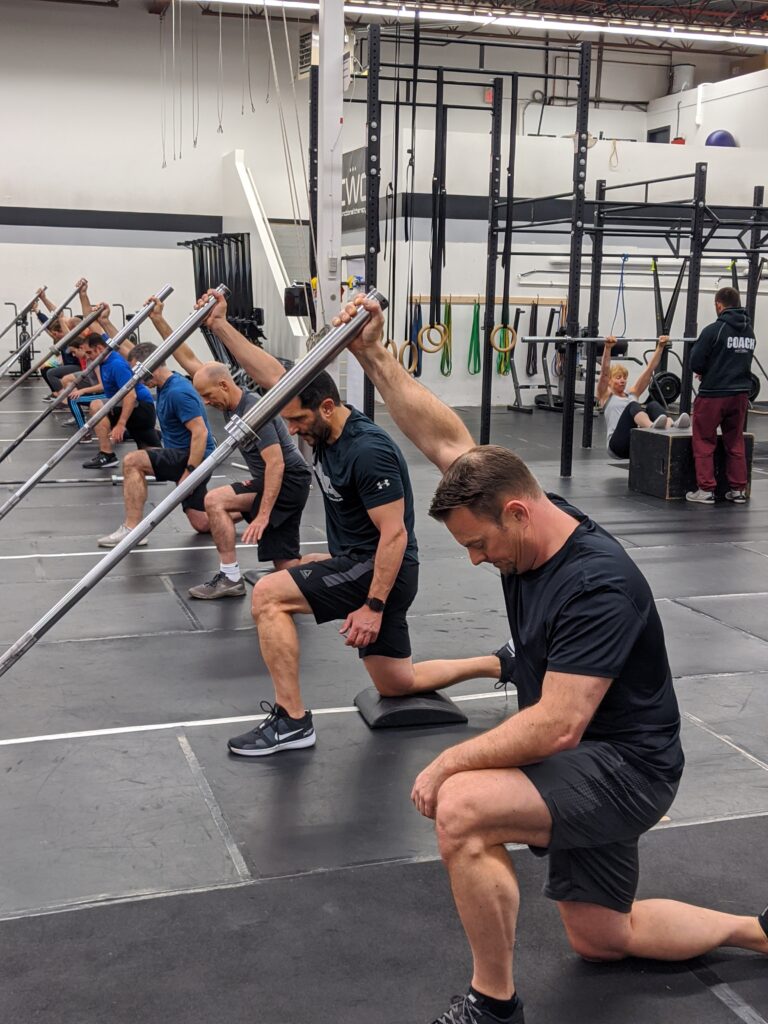
Cardio is a fine tool for cardiovascular health, but lifting weights is your absolute best defense against a slowing metabolism. Heavy, progressive resistance training signals your body to preserve its lean muscle mass while you are losing fat. Muscle tissue is highly metabolically active; the more muscle you preserve, the higher your resting metabolic rate remains throughout the day. Focus on lifting with intent during your sessions at Rocky Point Fitness.
Gently Check In with Your Nutrition
Instead of jumping into a rigid, restrictive diet overhaul, consider doing a compassionate, low-pressure check-in with your current meals for just a single week. Take a closer look at the foods where portions tend to drift the most, like cooking fats, dressings, or liquid calories. You do not need to be perfect, and you do not need to cut out the foods you love. Simply identifying where a few hidden variables might have snuck back into your routine gives you the awareness to make minor, easy adjustments while keeping your lifestyle sustainable.
Increase Your Daily Steps (NEAT Tracking)
Instead of adding another exhausting cardio class to your schedule, focus on keeping your baseline daily movement high. Using a smartwatch or phone to track your daily steps is an excellent way to monitor your NEAT. If you notice your steps have dropped from ten thousand down to six thousand as you have gotten deeper into your diet, intentionally adding a twenty minute walk after meals will instantly restart your energy expenditure.
Consider a Structured Diet Break
If you have been dieting strictly for more than twelve to sixteen weeks, your body might simply need a psychological and physiological break. Intentionally raising your calories back up to your current maintenance baseline for one to two weeks can work wonders. This temporary break lowers your stress levels, clears out accumulated water retention, restores your thyroid hormones, and gives you the mental energy needed to finish your phase strong.
Get a Customized Strategy in Coquitlam
A fat loss plateau is not a sign of failure; it is simply a milestone that requires a change in your strategy. By stepping back, identifying the true structural causes of the stall, and making calm, data driven adjustments to your training and daily movement, you can safely break through the plateau and keep moving toward your body composition goals.
At Rocky Point Fitness, we help our members cut through the confusion and build sustainable, high performance routines. Contact us today to connect with a coach, review your current training and nutrition baseline, and build a clear path toward long term results.