Shoulder Instability in Lifters
Does your shoulder feel shaky or unpredictable during overhead lifts? Maybe the bar wobbles during presses. Maybe your shoulder clicks or feels like it might shift during heavy lifts. Or maybe you just cannot generate stable strength when pressing overhead.
These are hallmark signs of shoulder instability.
In the lifting world, this sensation often sits on a spectrum. For some, it is a functional issue where strength has improved faster than the stabilizers can keep up. For others, that loose feeling may point to structural changes, such as pathology of the shoulder labrum. Whether your instability is due to muscle timing or underlying tissue damage, the solution remains the same: building a shoulder that is strong, controlled, and capable of centering itself under load.
At Rocky Point Fitness in Coquitlam, we help athletes bridge the gap between lifting heavy and lifting safely by addressing these stability deficits before they turn into chronic injuries.
The Role of the Labrum in Stability
The shoulder is often compared to a golf ball sitting on a tee. The labrum is a ring of specialized cartilage that deepens the “tee” (the socket), providing a suction cup effect that keeps the “ball” (the humerus) centered.
When we talk about instability in lifters, we have to acknowledge that repetitive overhead stress can lead to labral pathology. If the labrum is frayed or damaged, the joint loses some of its built in structural security. This is why the shoulder might feel like it is shifting or clicking during a heavy snatch or overhead press.
While we cannot “exercise away” a labral tear, we can significantly increase the strength of the surrounding rotator cuff muscles to compensate for that lost structural stability. By training the muscles to pull the joint tighter into the socket, you can often return to high level lifting even if some tissue damage is present.
What Is Shoulder Instability?
Instability often develops when the stabilizing muscles surrounding the shoulder joint are not working together effectively or when the passive structures like the labrum and ligaments are no longer providing adequate support.
Instead of the shoulder moving smoothly, the joint may shift slightly inside the socket during lifting. This leads to reduced strength, poor control, and sometimes discomfort.
Common Signs of Shoulder Instability in Lifters
Many lifters ignore early warning signs, but your shoulder usually gives clues when stability is lacking. Watch for symptoms like:
- A shaky bar during overhead presses
- Clicking, popping, or shifting sensations in the shoulder
- Difficulty controlling the bottom position of a press
- One shoulder feeling weaker or less stable than the other
- A feeling of apprehension when the arm is out to the side and rotated back
These symptoms often show up during movements like the overhead press, push press, snatch, or handstand work. Addressing instability early can prevent minor labral irritation from becoming a significant tear.
Why Shoulder Instability Happens During Strength Training
Several factors contribute to unstable shoulders in lifters.
Weak Rotator Cuff Muscles
The rotator cuff helps keep the shoulder joint centered during movement. When these muscles are weak, the shoulder loses its ability to stabilize under load. Physiotherapy programs often focus on strengthening these muscles to restore joint control.
Poor Scapular Control
Your shoulder blade acts as the foundation for shoulder movement. If the scapula is not stable, the shoulder joint cannot generate efficient power during overhead lifts. This often leads to reduced strength and altered lifting mechanics.
Mobility Imbalances
Limited mobility in the thoracic spine or tight chest muscles can push the shoulder into unstable positions during lifting. This forces the joint to compensate and increases instability.
Shoulder Instability Exercises That Build Real Strength
Improving shoulder stability requires a progressive approach. Start with control, then gradually add strength and load.
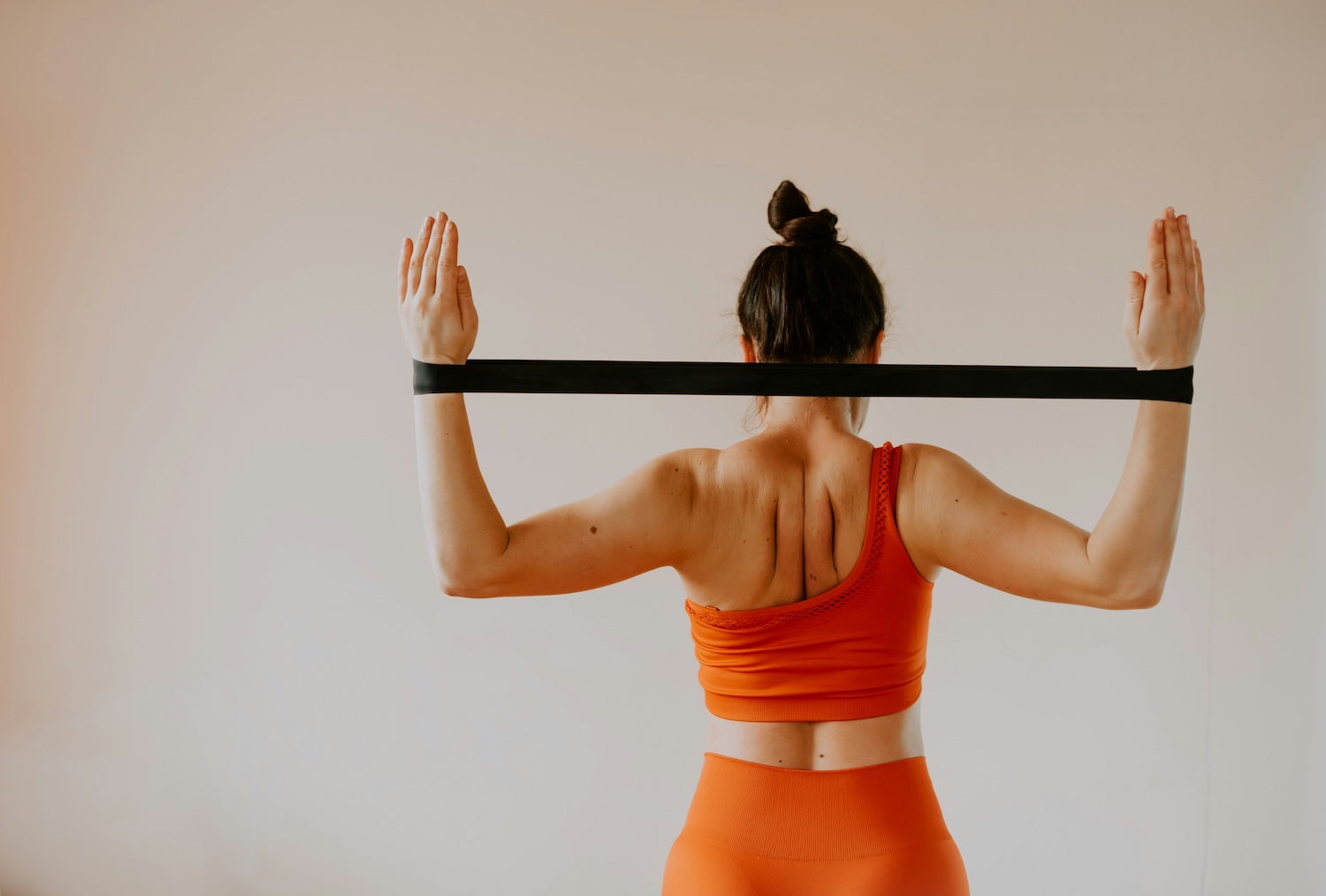
1. Banded External Rotations
This exercise strengthens the rotator cuff and improves joint control.
- Attach a resistance band at elbow height.
- Keep your elbow tucked at your side.
- Rotate your forearm outward slowly.
- Control the movement on the way back.
2. Scapular Wall Slides
Wall slides improve coordination between the shoulder blade and shoulder joint.
- Stand with your back against a wall.
- Keep your arms in a goalpost position.
- Slowly slide your arms upward while maintaining contact with the wall.
3. Bottom Up Kettlebell Press
Holding a kettlebell upside down challenges shoulder stability significantly. It improves joint control and forces stronger rotator cuff engagement. Start with light weight and slow, intentional presses.
4. Single Arm Dumbbell Overhead Holds
This drill builds static shoulder stability.
- Press a dumbbell overhead.
- Hold the position for 20 to 30 seconds.
- Keep your shoulder packed and stable.
How to Progress Shoulder Stability Training
A strong shoulder is built step by step. At Rocky Point Fitness in Coquitlam, many training programs progress through three distinct phases.
Phase 1: Activation and Control
Focus on rotator cuff activation, scapular stability, and light resistance work.
Phase 2: Strength Integration
Add movements like dumbbell presses, landmine presses, and kettlebell presses. These integrate stability with real-world strength.
Phase 3: Overhead Power
Once stability improves, lifters can return to heavier overhead movements such as the barbell overhead press, push press, and Olympic lifts.
Tips for Protecting Your Shoulders During Overhead Lifts
Small improvements in control often lead to significant improvements in strength. Keep these tips in mind:
- Warm up the rotator cuff before pressing.
- Train upper back muscles regularly.
- Maintain thoracic spine mobility.
- Progress overhead loads gradually.
- Focus on controlled technique rather than just moving the weight.
Build Shoulders That Can Handle Heavy Lifting
Shoulder instability does not mean you need to avoid overhead lifting. In fact, the opposite is usually true. With the right shoulder stability training, you can build stronger stabilizers, improve joint control, and lift with greater confidence.
At Rocky Point Fitness in Coquitlam, developing reliable shoulder strength is a key part of long term performance and injury prevention. A stable shoulder is a strong shoulder, and once stability improves, your overhead lifts often improve right along with it.